
EXPLORE TANZANIA
Tanzania, at your own pace.Serengeti
Choose your place on the plains
Overview
The Serengeti is a landscape to spend time in, not a single viewpoint to tick off. A day can turn on a quiet observation: a herd beginning to move, a bird returning to a branch or the light changing over the grass. The best journey gives your guide room to respond.
Where you stay is as important as how many nights you book. Central, northern and western Serengeti and the southern Ndutu area sit far enough apart that the wrong base can mean hours of transfer instead of the experience you came for.
Why visit
Come for open-country wildlife, the changing scale of the landscape and the possibility of watching behaviour unfold over time. Migration journeys are one way to explore; a first safari does not need to depend on catching a crossing.
If you enjoy photography or simply prefer to settle in, consider fewer camps and more nights at each. Luxury can mean an exceptional room, but it can also mean protecting your time by choosing the right airstrip and location.
When to go
December–March is a broad southern-plains planning window, with calving particularly associated with the early months of the year. April–May brings greener conditions and shifting herd locations; road access and camp operation matter as much as a calendar label.
June–July often draws attention to the western corridor and movement north. July–October is a broad northern Serengeti planning window. The overlap is deliberate: rain and grazing govern the herds, and a crossing cannot be booked for a particular day.
Central Serengeti supports wildlife viewing beyond the migration. If your dates are fixed, choose the region and camp to suit those dates instead of forcing a seasonal itinerary into the wrong month.
Wildlife & character
Game drives offer time with plains animals, predators, birds and habitats, with sightings dependent on conditions. Keep space in the day for less dramatic moments rather than measuring it only by a list of animals.
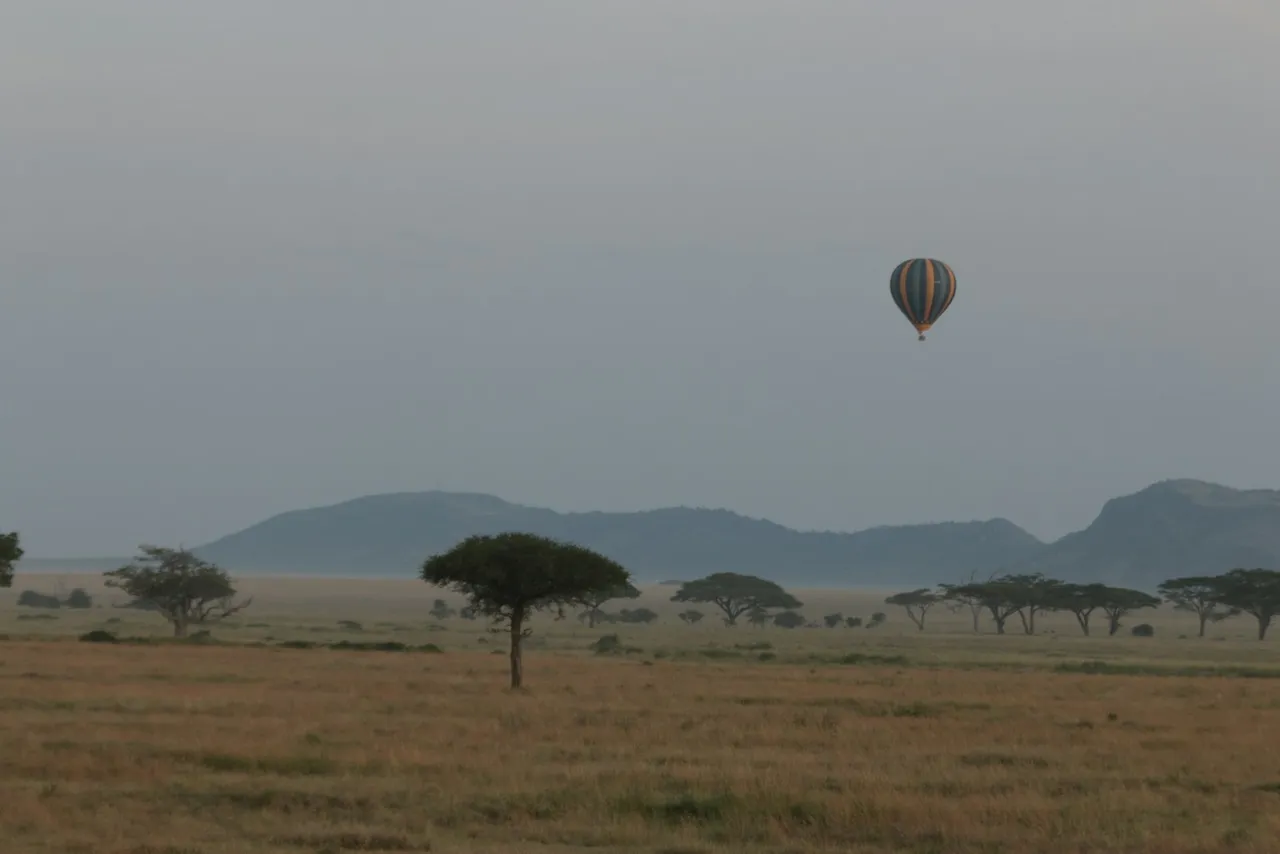
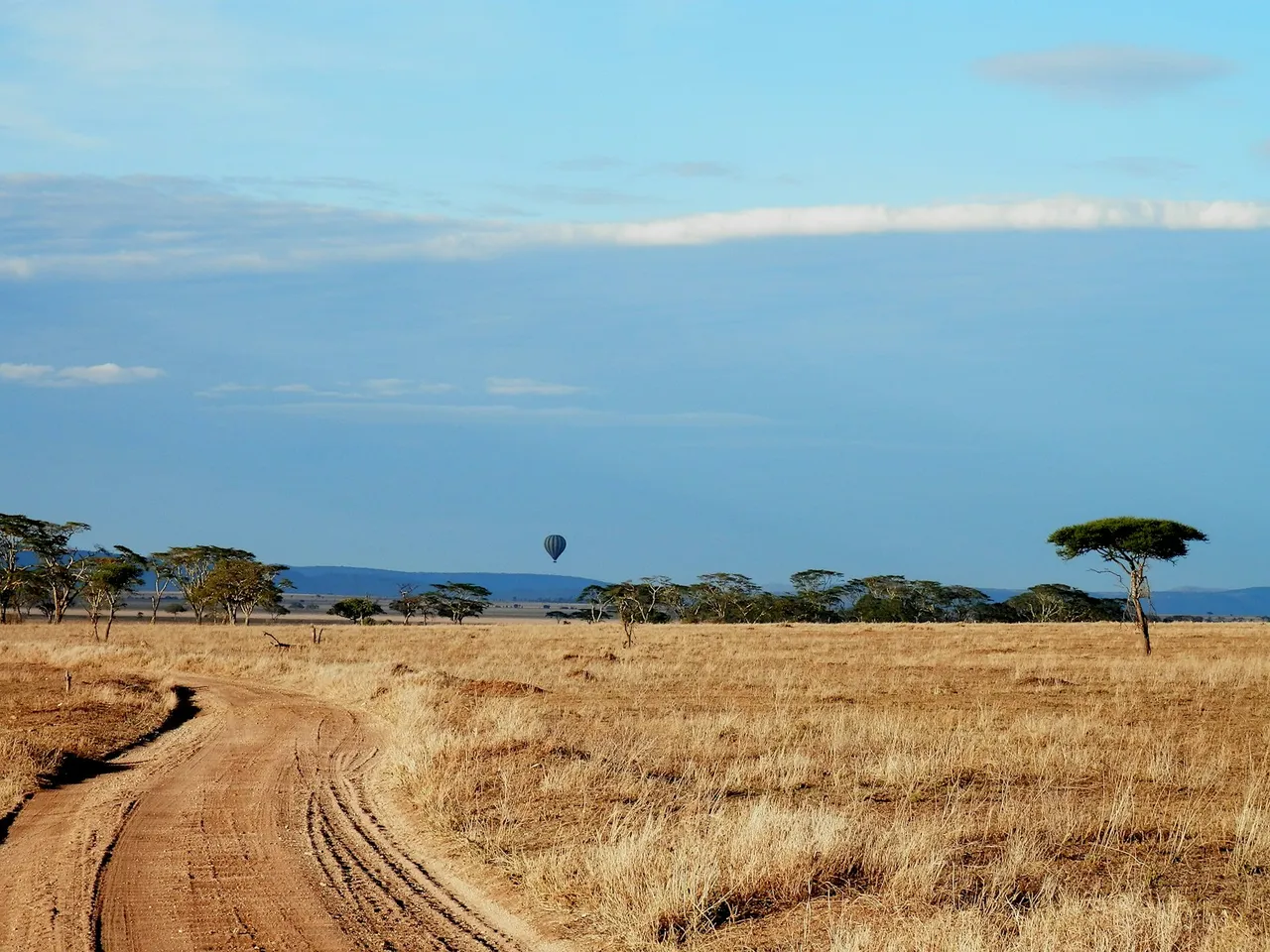
A balloon safari adds a different viewpoint where an operator is active. It is optional, carries practical requirements and depends on weather; it should be planned from a suitable camp rather than assumed available everywhere.
Where to stay
Central / Seronera: a useful base for a first visit and a range of established lodges and tented camps. Look at the camp’s actual location, not only a central-Serengeti label.
Northern / Kogatende and nearby areas: choose this region for a season-led northern stay. An appropriate northern airstrip can avoid returning overland to the centre.
Southern / Ndutu: seasonal camps and lodges serve the short-grass plains. Ndutu spans the wider ecosystem and is not interchangeable with staying inside Serengeti National Park; permissions and charges depend on the exact property.
Western corridor: allow enough nights for the distance involved. Across all regions, tented accommodation ranges from simple to sophisticated; ask about en-suite facilities, family layouts, charging, cooling and access if these matter to you.
Getting there
A road safari from Arusha normally reaches Serengeti through the highlands and involves a substantial travel day. Build this into the itinerary rather than counting it as a full day on the plains.
Fly-in journeys from Arusha or Zanzibar can reduce road time, subject to actual operating schedules. Choose the airstrip after choosing the camp region. Confirm baggage limits, intermediate stops, transfers and onward connections before booking.
How long to stay
We suggest at least three nights for a first stay when the wider trip allows. Two full days give a more satisfying rhythm than arriving late and leaving early.
For two distant Serengeti regions, allow additional nights or use a carefully planned flight. A rushed northern detour is rarely a good use of a short central safari.
Fees & planning costs
Park admission is one part of the cost. Your quotation should distinguish conservation entry, any accommodation-related park charges, vehicle charges and separately booked activities. Age, residency, dates and where you sleep can change the calculation.
The official tariff page retrieved for this guide labels its schedule Financial Year 2023/2024, valid until June 2024. We have not verified a replacement schedule for your travel dates and therefore do not present those historic amounts as current prices.
Confirm for travel dates
Official page retrieved: FY 2023/2024, valid until June 2024; current travel-date tariff awaiting confirmation
Last checked: 2026-10-05
Official page retrieved: FY 2023/2024, valid until June 2024; current travel-date tariff awaiting confirmation
Last checked: 2026-10-05
Make the experience your own.
OPTIONAL EXPERIENCE
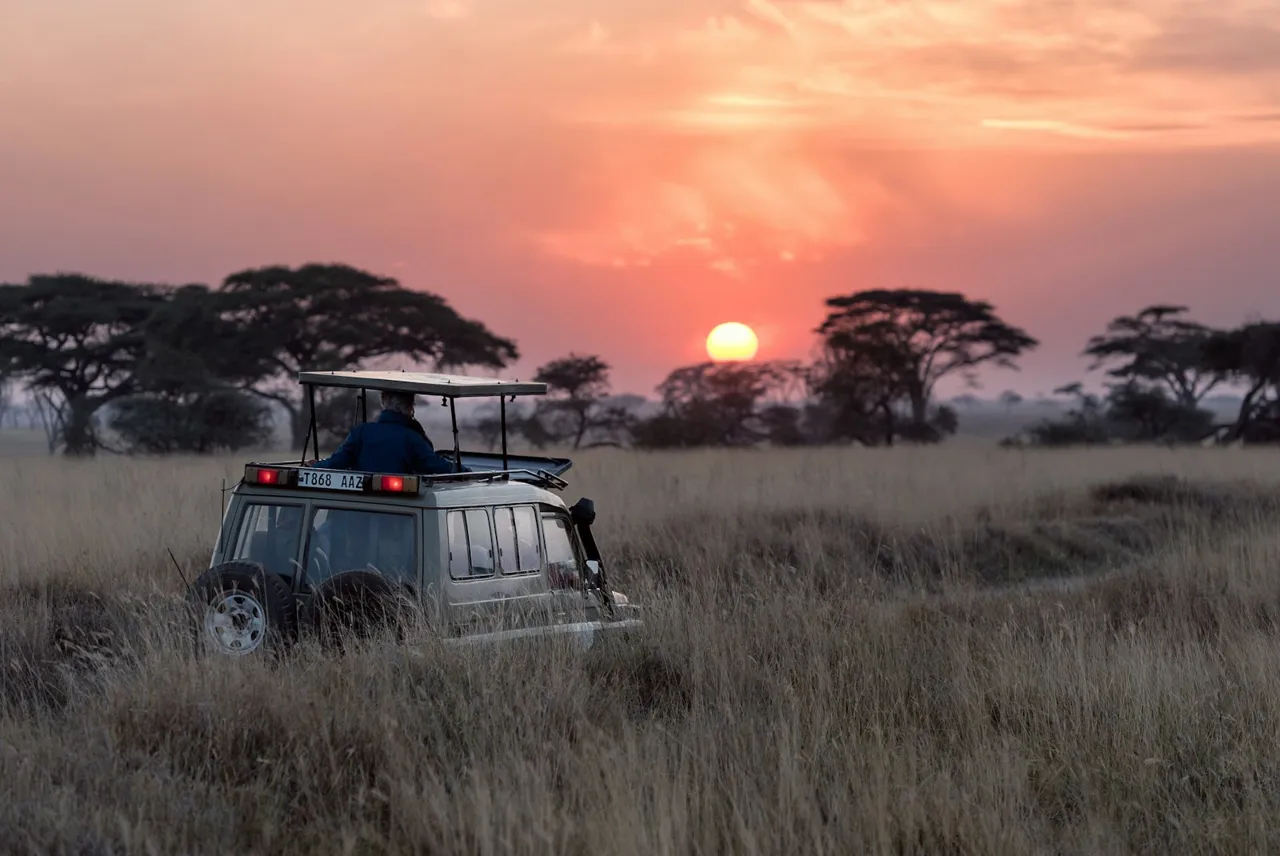
Safari Sundowners
Leave a little space at the end of the day.
Discover the experience →Journey ideas.
6 days · ClassicTanzania, Naturally
6-Day Classic Tanzania
Karatu · Serengeti · Ngorongoro · Tarangire
From $2,100 per personUSD · two adults sharingExplore →
8 days · MigrationWhere the Herds Wander
8-Day Northern Migration Safari
Arusha · Serengeti
From $3,550 per personUSD · two adults sharingExplore →
5 days · LuxuryStraight to the Serengeti
5-Day Serengeti Fly-In Retreat
Serengeti
Price on requestTailored to your chosen campsExplore →
Good questions.
Can I visit Serengeti from Zanzibar?
Yes, a fly-in plan can be arranged around available services and a suitable Serengeti airstrip. We first match your dates and interests to the camp region, then check the flight routing and luggage allowance.
How many days do I need in Serengeti?
Three nights is our useful starting point for a first stay. Add nights if you want more than one distant region, a slower pace or greater flexibility around seasonal wildlife.
Will I see a river crossing?
No operator can guarantee one. Choosing the right region and season creates an opportunity; herd behaviour and rainfall decide what happens.
Are Serengeti entrance fees the whole park cost?
No. Overnight location, vehicle entry and selected activities can add charges. Ask for an itinerary-specific breakdown and a confirmed tariff for your travel dates.
Guide sources · checked 5 October 2026
YOUR JOURNEY STARTS WITH A CONVERSATIONTell us what Tanzania
Tell us what Tanzania
looks like to you.
A first safari, a honeymoon, or a return to somewhere that stayed with you. Share a few ideas; we’ll help shape the journey.
Design my safari